Property tax list are an important part of local government funding, supporting services such as schools, infrastructure, and public safety. When property owners fail to pay these taxes on time, the unpaid balance becomes delinquent, and the property may appear on a delinquent property tax list. Many people search for the Summit County delinquent property tax list to check the tax status of a property, verify whether taxes are overdue, or explore properties that may face tax-related legal action.
This guide explains how the Summit County delinquent property tax list works and how users can search for properties with unpaid taxes. It is designed for homeowners, buyers, investors, and anyone researching property tax records. While this article explains the general process used in county systems, it is purely informational and does not represent any government office.
By the end of this guide, you will understand what delinquent property taxes mean, how to search tax records step by step, common mistakes people make, and how unpaid taxes can affect property ownership.
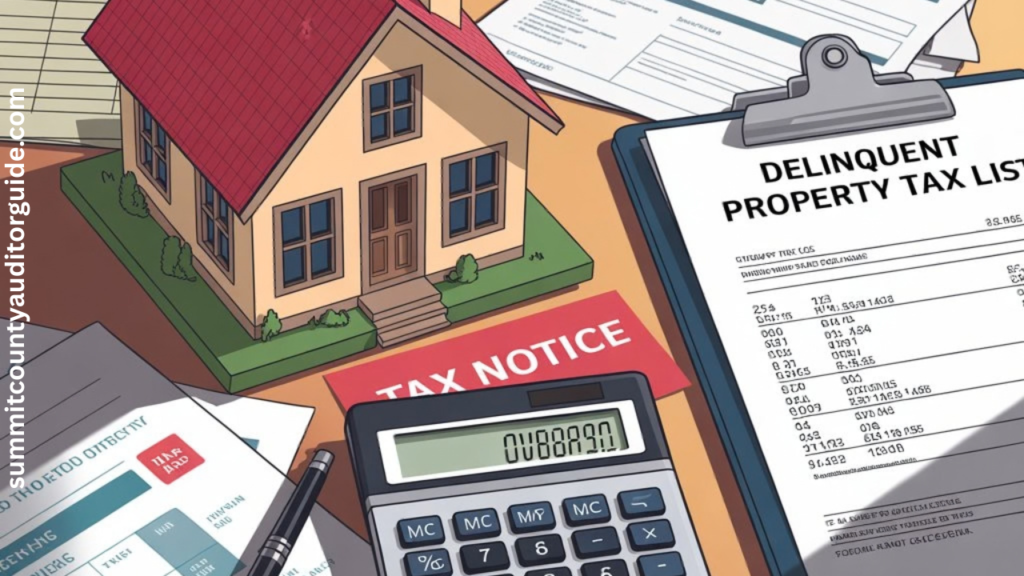
What the Summit County Delinquent Property Tax List Means
A delinquent property tax list is a record of properties where the owner has failed to pay property taxes by the required deadline. When taxes remain unpaid after the due date, the account is marked as delinquent and may appear in county tax records.
Summit County Ohio Property Tax Due Dates, Penalties and Payment OptionsIn many county systems, property tax delinquency progresses through several stages. Initially, the property owner receives notices about theunpaid taxes. If the balance remains unpaid for an extended period, additional penalties or interest may be added. Eventually, the property could become subject to legal actions such as a tax lien or foreclosure process.
Being on the delinquent list does not mean a property is for sale. Most owners pay overdue taxes before any legal action occurs. In many cases, property owners resolve the issue by paying the overdue taxes before the situation progresses further.
People commonly check delinquent tax records for several reasons:
- Homeowners verifying whether their property taxes are up to date
- Real estate investors researching potential tax lien opportunities
- Buyers checking a property’s financial history before purchasing
- Researchers reviewing public property records
Understanding what the delinquent tax list represents helps users interpret the information correctly.
Step-by-Step Guide to Search the Summit County Delinquent Property Tax List
Searching for properties with unpaid taxes usually involves accessing public property tax records and using basic property information. The following steps outline the typical process used in county property tax searches.
Step 1: Gather Property Details
Before starting the search, collect basic information about the property. The most helpful details include:
- Property address
- Owner name
- Parcel number
- Tax identification number
Having accurate property information makes it easier to locate the correct records.
Step 2: Access Property Tax Search Tools
Many counties provide property tax search systems where users can check tax balances and payment history. These systems typically allow searches using the property address, parcel number, or owner name.
The search results may display:
- Property ownership information
- Tax balance and payment history
- Delinquent tax amounts
- Tax billing records
Step 3: Review the Delinquent Tax Status
Once the property record appears, review the tax section carefully. If the property taxes have not been paid by the due date, the system may show:
- Delinquent tax balance
- Interest or penalty charges
- Past due tax years
This information helps determine whether the property appears on a delinquent tax list.
Step 4: Verify Property Details
Before drawing conclusions, confirm that the property details match the correct address or parcel number. Many properties have similar owner names or addresses, so verifying the parcel number can prevent mistakes.
Step 5: Check Additional Property Records
Sometimes it is helpful to review other property records alongside tax data. For example:
- Property ownership records
- Property tax payment history
- Legal filings related to unpaid taxes
You can also check our guide on county property tax searches to better understand how property tax records are organized.
Documents & Fees Needed for Summit County Delinquent Property Tax Search
In most cases, searching property tax records does not require special documents. However, having certain details available can make the process easier.
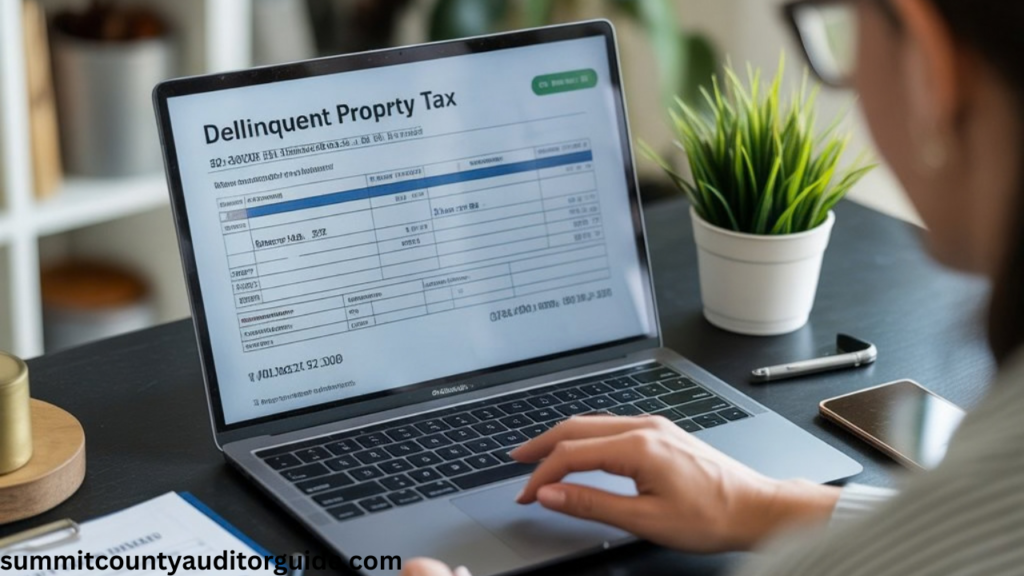
Common information used during property tax searches includes:
- Property address
- Owner name
- Parcel identification number
- Tax bill information
Although viewing tax balances may be free in many systems, some services may charge small fees for official documents. For example:
- Certified tax record copies
- Printed property reports
- Document retrieval services
These fees vary depending on the office responsible for maintaining property records.
Avoid Mistakes and Understand the Summit County Property Tax Delinquency Timeline
When checking delinquent property taxes in Summit County, mistakes can be costly and confusing. Understanding the typical timeline of delinquency alongside common pitfalls helps homeowners, buyers, and investors make informed decisions.
Common Mistakes to Avoid
- Assuming All Delinquent Properties Are for Sale
Being on a delinquent tax list does not automatically mean a property can be purchased. Many owners pay overdue taxes before any legal action occurs. - Searching With Incorrect Property Details
Always verify the full property address, owner name, or parcel number. Using incomplete or wrong details can return incorrect records. - Ignoring Updated Tax Balances
Delinquent status can change once the owner pays. Always check the most recent balances to avoid outdated information. - Confusing Delinquency With Foreclosure
Property tax delinquency is not the same as foreclosure. Foreclosure usually happens only if taxes remain unpaid for a long period.
Property Tax Delinquency Timeline
Knowing the typical stages helps you track a property’s progress:
- Property Tax Due Date – Taxes must be paid by the county-specified deadline.
- Delinquent Status – Taxes not paid by the deadline are marked delinquent, and interest or penalties may apply.
- Delinquent Notices – The county sends reminders and warnings to property owners.
- Continued Nonpayment – If unpaid for an extended time, additional actions like tax liens may be filed.
- Possible Legal Action – In rare cases, long-term delinquency can lead to foreclosure or property sale, but many owners resolve issues before this stage.
Tip: The timeline can vary widely depending on payment activity and property circumstances. Combining this knowledge with accurate record searches helps you avoid mistakes and take informed action.
Related Services Users Often Need
When researching delinquent property taxes, users often need additional information about property ownership, tax balances, and legal records. These services provide a more complete view of a property’s financial and legal status.
| Related Service | What It Helps You Find | Why It Matters |
|---|---|---|
| Property Tax Records | Current and past property tax payments | Shows whether taxes are overdue |
| Property Ownership Records | Current and previous owners | Confirms who legally owns the property |
| Parcel and Land Records | Parcel number and property boundaries | Helps identify the correct property |
| Sheriff Sale Listings | Auctioned or seized properties | Indicates properties that may be sold |
| Foreclosure Records | Legal foreclosure cases | Helps identify serious financial issues |
Reviewing these records together helps users better understand the financial condition of a property. You can also check our guide on property ownership record lookup to learn how ownership history can affect property tax responsibilities. Another useful resource is our guide on property foreclosure searches, which explains how foreclosure records relate to unpaid taxes.
Conclusion
The Summit County delinquent property tax list helps identify properties with unpaid taxes. Homeowners, buyers, and investors can use these records to verify tax status and avoid unexpected issues. Understanding how delinquent tax records work allows users to research properties more accurately. Checking property details, reviewing tax balances, and verifying related records are key steps in the process.
While delinquent taxes may indicate financial concerns, they do not always lead to foreclosure or property sales. In many cases, owners resolve the issue by paying the overdue balance.
Frequently Asked Questions
How can I find the Summit County delinquent property tax list?
You can usually search property tax records through county tax databases using the property address, owner name, or parcel number. These systems may display tax balances and delinquent tax information.
What happens if property taxes remain unpaid?
When property taxes remain unpaid, they become delinquent and may accumulate interest or penalties. If the taxes stay unpaid for a long time, additional legal processes such as tax liens or foreclosure actions may occur.
Can someone buy properties with delinquent taxes?
In some cases, properties with unpaid taxes may eventually be sold through tax lien sales or foreclosure auctions. However, not every delinquent property becomes available for purchase.
How can a property owner remove their property from the delinquent list?
Property owners typically resolve delinquent status by paying the outstanding tax balance, including any penalties or interest. Once payment is processed, the property record may be updated.
Are delinquent property tax records public?
In many places, property tax records are considered public information. This means users can often search property tax data through public record systems or databases.