searching for foreclosure properties in Summit County can feel confusing if you do not understand how the process works or where the records are located. Many homeowners, investors, and buyers want to know whether a property is in foreclosure, how to check official records, and what steps they should follow before making decisions.
Foreclosure records usually appear in public court filings, sheriff sale listings, and county property databases. These records help property owners understand whether a property is involved in a foreclosure case and what stage the process is currently in.
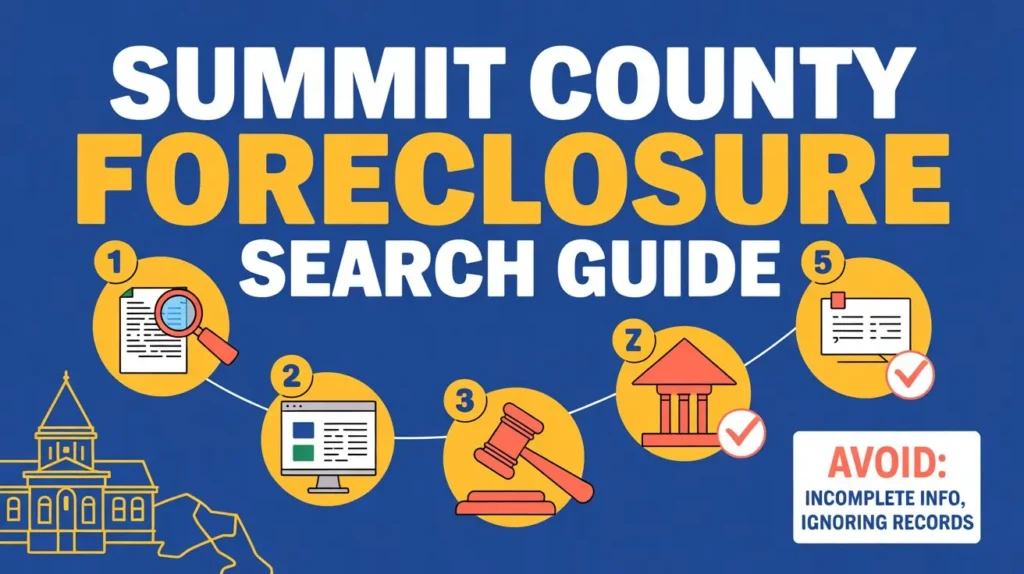
This Summit County Property Foreclosure Search Guide explains the foreclosure search process in simple terms. It helps residents, property buyers, and researchers understand how foreclosure listings work, where records are typically available, and how to verify property information correctly.
Learn how to search Summit County court filing and understand the steps involved. It is not affiliated with any government office, but it explains the common process used in many county systems.
By the end of this guide, you will understand how to search foreclosure properties, what documents may be involved, common mistakes to avoid, and how long the process typically takes.
What Summit County Property Foreclosure Means
A property foreclosure happens when a homeowner fails to keep up with mortgage payments or property-related debts. When this occurs, the lender or authorized authority may begin a legal process to recover the owed amount by selling the property.
In Summit County, foreclosure information is usually recorded in public property records or court filings. These records may show:
- Foreclosure filings
- Notice of default
- Sheriff sale listings
- Auction dates
- Property ownership details
- Outstanding debt information
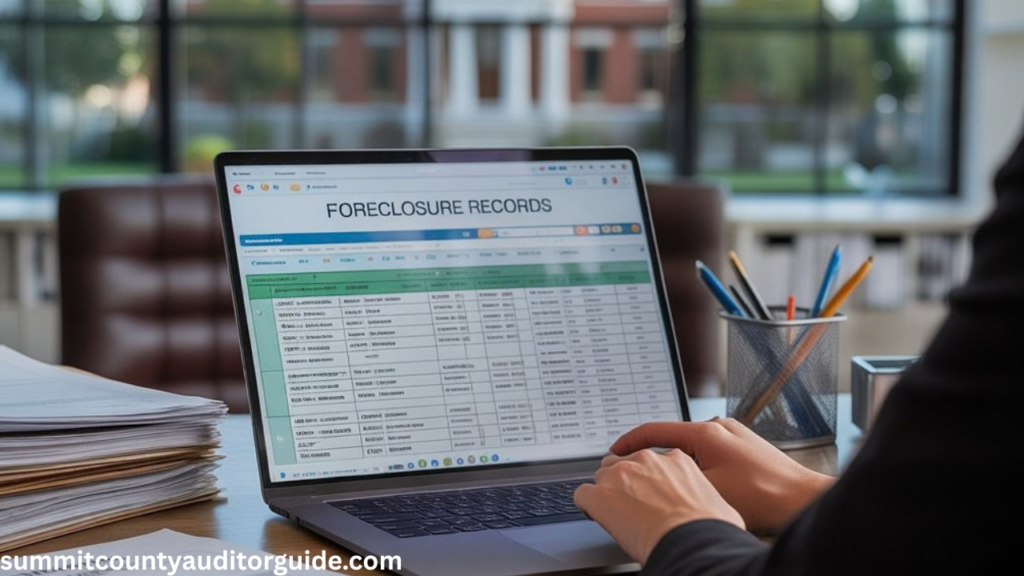
People search these records for different reasons:
- Home buyers looking for lower-cost properties
- Real estate investors researching auction properties
- Property owners checking the status of their property
- Legal researchers reviewing foreclosure filings
Understanding what foreclosure records contain helps residents avoid confusion and locate the correct information faster.Step-by-Step Guide to Search Summit County Property Foreclosures
If you want to check whether a property is in foreclosure or explore foreclosure listings, you can usually follow these steps.
Step 1: Gather Basic Property Information
Before starting your search, collect as much property information as possible.
Helpful details include:
- Property address
- Owner name
- Parcel number
- Tax identification number
Having accurate information makes the search process much easier.
Step 2: Access Property Record Databases
Most counties maintain public databases where property records can be searched. These systems typically allow searches by:
- Owner name
- Property address
- Parcel number
These records may show whether the property has foreclosure filings or legal notices.
You can also check our guide on county property record searches to better understand how property databases work.
Step 3: Check Court Foreclosure Filings
Foreclosures usually involve court filings. This means foreclosure cases may appear in the county court records system.
When reviewing court records, look for:
- Foreclosure case filings
- Case numbers
- Filing dates
- Parties involved (lender and homeowner)
Court records help confirm whether a foreclosure case has been officially filed.
Step 4: Look for Sheriff Sale or Auction Listings
Many foreclosed properties eventually appear in sheriff sale auctions or public property auctions.
Auction listings may include:
- Auction date and time
- Property address
- Starting bid amount
- Property case number
Buyers often review these listings to find potential investment properties. Sheriff sales are public auctions where foreclosed properties may be sold to recover unpaid mortgage balances. These auctions are typically scheduled after court approval in a foreclosure case.
Step 5: Verify Property Status
Before assuming a property is available for purchase, it is important to confirm its current status. Properties may be in different stages such as:
- Pre-foreclosure
- Active foreclosure case
- Scheduled for auction
- Sold at auction
- Bank-owned property
Always verify the latest information because foreclosure cases can change quickly.Required Documents or Fees
Searching property status is usually free when accessing public property databases. However, certain documents or services may involve small fees. Each stage reflects a different point in the foreclosure process. For example, a property in pre-foreclosure may still be resolved by the owner, while properties scheduled for auction are typically further along in the legal process.
Documents & Fees Needed for Summit County Foreclosure Search
- Property ownership records
- Foreclosure case filings
- Court case documents
- Auction listings
- Tax delinquency reports
Possible fees may apply for:
- Certified copies of documents
- Printed property reports
- Court record copies
The exact fees vary depending on the county office handling the records.
Avoid Mistakes and Understand the Summit County Foreclosure Timeline
When searching for foreclosed properties in Summit County, it’s easy to make mistakes if you don’t know what to look for. At the same time, understanding the typical foreclosure timeline helps you make informed decisions. Here’s what you need to know:
Common Mistakes to Avoid
Assuming Every Foreclosure Is Available for Purchase
Not all foreclosed properties are immediately for sale. Some may still be in early legal stages or pre-foreclosure.
Searching With Incomplete Information
Always use the full property address, owner name, or parcel number. Missing details can lead to incorrect results.
Ignoring Court Records
Foreclosure filings often appear in court records. Relying only on property databases may miss important updates.
Misinterpreting Property Status
A property listed in foreclosure records does not guarantee it will go to auction. Many cases are resolved before reaching that stage.
Not Checking the Latest Updates
Foreclosure status can change quickly. Always verify the most recent filings or auction schedules before taking action.
Foreclosure Timeline in Summit County
Understanding the typical stages helps you track a property’s progress:
- Missed Mortgage Payments – The process starts after several missed payments.
- Notice of Default – The lender may issue a notice stating the borrower has defaulted.
- Foreclosure Filing – A formal case may be filed in Summit County court.
- Legal Proceedings – The court reviews filings, and may issue rulings or set hearings.
- Sheriff Sale / Auction – If approved, the property is scheduled for public auction.
- Ownership Transfer – After the auction, ownership may transfer to the winning bidder or revert to the lender.
Tip: The full process can take several months to over a year, depending on the case. Being aware of these stages helps buyers and investors avoid wasted time or incorrect assumptions.
Summit County Foreclosure Case Process Explained
Foreclosure cases in Summit County are typically handled through the county court system. When a lender files a foreclosure case, the court reviews the legal filings and determines whether the property may proceed toward sale.
During this process, documents such as foreclosure complaints, case filings, and court orders become part of the public record. These records help researchers, property owners, and investors understand the legal status of a property.
Related Services Users Often Need
| Related Service | What It Helps You Find | Why It Matters |
|---|---|---|
| Property Tax Records | Current and past tax payments on a property | Helps identify unpaid taxes that could affect the property value |
| Parcel and Land Records | Parcel number, land boundaries, and property details | Useful for verifying property identity and location |
| County Property Ownership History | Previous and current property owners | Helps confirm legal ownership and past transfers |
| Tax Delinquency Lists | Properties with unpaid taxes | These properties may be at risk of foreclosure or tax sale |
| Sheriff Sale Schedules | Upcoming foreclosure auctions | Investors and buyers use these listings to find auction opportunities |
Checking these records together gives a complete picture of a property’s legal and financial situation. You can also check our guide on county property tax searches to understand how unpaid taxes can influence foreclosure cases.
Another helpful resource is our guide on property ownership record lookup, which explains how to verify who legally owns a property and review ownership history before making any decisions.
Frequently Asked Questions
How can I search foreclosure properties in Summit County?
You can search foreclosure properties by checking county property databases, court case records, and sheriff sale listings. Searching by property address or owner name usually produces the most accurate results.
Are foreclosure records public?
Yes, many foreclosure records are considered public information. This means users can usually access basic property foreclosure details through public databases or court record systems.
Can I buy a foreclosed property directly?
Some foreclosure properties may eventually be sold through public auctions or sheriff sales. However, not all properties listed in foreclosure records are immediately available for purchase.
How long does the foreclosure process take?
The foreclosure process can vary widely depending on legal procedures and the specific case. In many situations, it may take several months to over a year.
What information is included in foreclosure records?
Foreclosure records may include property details, case filings, notices, lender information, and auction schedules. These records help show the legal status of a property.